Udacity React Nanodegree: Project One

TLDR

Read the directions.

It’s been about two week’s since I started Udacity’s React Nanodegree course. A large part of it is breaking my habitual ways of thinking. Embrace the new.

Is there a good tool that builds a diagram of component-based frameworks?

WHEN IT COMES TOGETHER

I love the feeling when you’re coding and it comes together. It’s the small victories that add up to satisfaction. These modern frameworks like React are good for a little instant gratification. Declarative programming and data binding equals pieces falling into place like Tetris.

The only thing that will consume more of your time than frustrated, banging your head against the table, learning curve, I’m never going to finish this in time coding, is the smooth sailing, getting a lot of stuff done, in a groove and don’t want to stop, time disappears, making magic coding.

WHEN IT DOESN’T

Of course, there are frustrations. When learning new frameworks you end up using whatever sources of info are available: YouTube, blogs, articles, code repos, and forums.

The project seemed straightforward at first. I wanted to be done early. I got the basics working. Then I read the requirements again a few days later. Oh. Right. The things I had questions about were intentionally designed that way. Mental note: RTFD.

There are two pain points that slow me down:

  1. Not thinking in components (declarative vs. imperative)
  2. Outdated information online

A New Way of Thinking

Continue reading →

Udacity React Nanodegree

TL;DR

If you haven’t already, learn one of the popular JS frameworks: React, Angular, Vue, etc.

Read this instead: A Review of Udacity’s React Nano Degree

If you aren’t using one of these post-modern frameworks yet, take some time to dig into it a bit.  There are plenty of tutorials.

However you do it, do it.

From the job listings I’m seeing all up in my inbox, you need to know a framework and you need a design/developer portfolio. In other words, have side or exploratory projects or code samples of public-facing web sites, applications, or github repos.

Continue reading →

My Buttons are All Grown Up

TL;DR – Yes, this is a blog entry about making buttons. Well, it’s more about how CSS is awesome and there are a lot of design and development solutions that I wish I could get my hands on and re-solve with today’s tools. Also, my first CodePen pen!

Read this instead: And You Thoughts Buttons Were Easy?

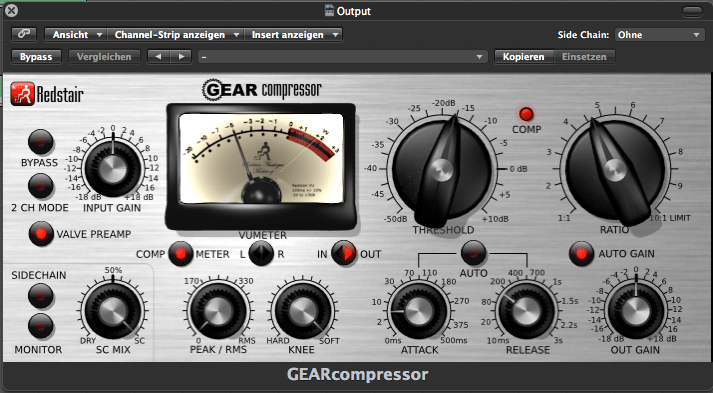
The year is 2009. We need buttons. Not just any buttons. Not just plain gray buttons that browsers will render. We need buttons that are pleasantly rounded and inviting. We need buttons that make users want to click them. We want iOS style buttons that look like they’re made from glass or like the actual real-world device we’re simulating.

redstair_gearcompressor

By Klaus Göttling – Own work, CC BY-SA 3.0, https://commons.wikimedia.org/w/index.php?curid=26833491

Okay, that’s a lotta button. Let’s keep things simple. Let’s talk about plain ol’ text buttons.

Continue reading →

Dino-Coding

I need to preface this to say that this isn’t one of those technically enlightening Medium or Hacker Noon articles. It’s not even an unnecessarily controversial hot take that garners status raising attention. It’s a reckoning of software development culture shock, and encouragement for those of you scoping out the career landscape. I’m just a boy standing in front of a job market…

TL;DR

Read this instead: How it feels to learn JavaScript in 2016

The web development world is always roiling with progress, change, and an odd amalgam of democratization and corporate influence. Goliaths and Davids playing in the same sandbox.

It’s more important than ever to stay up on the latest and greatest, and the good news is that there’s no end to available resources. You can read, watch, and experiment in online playgrounds to your heart’s content.

Confession: I did not stay up on the latest and greatest.

LET’S GO

I was laid off a few months ago. The one sentence that I heard the loudest, mostly because it was inflected with a hint of warning and sympathy, was this: “The job market is very different these days.”

Continue reading →